 Published 17.11.2026
TORKVIK white paper: gate to dock on existing cameras
The engineering record: models, datasets, every measured number and its source.
Read the note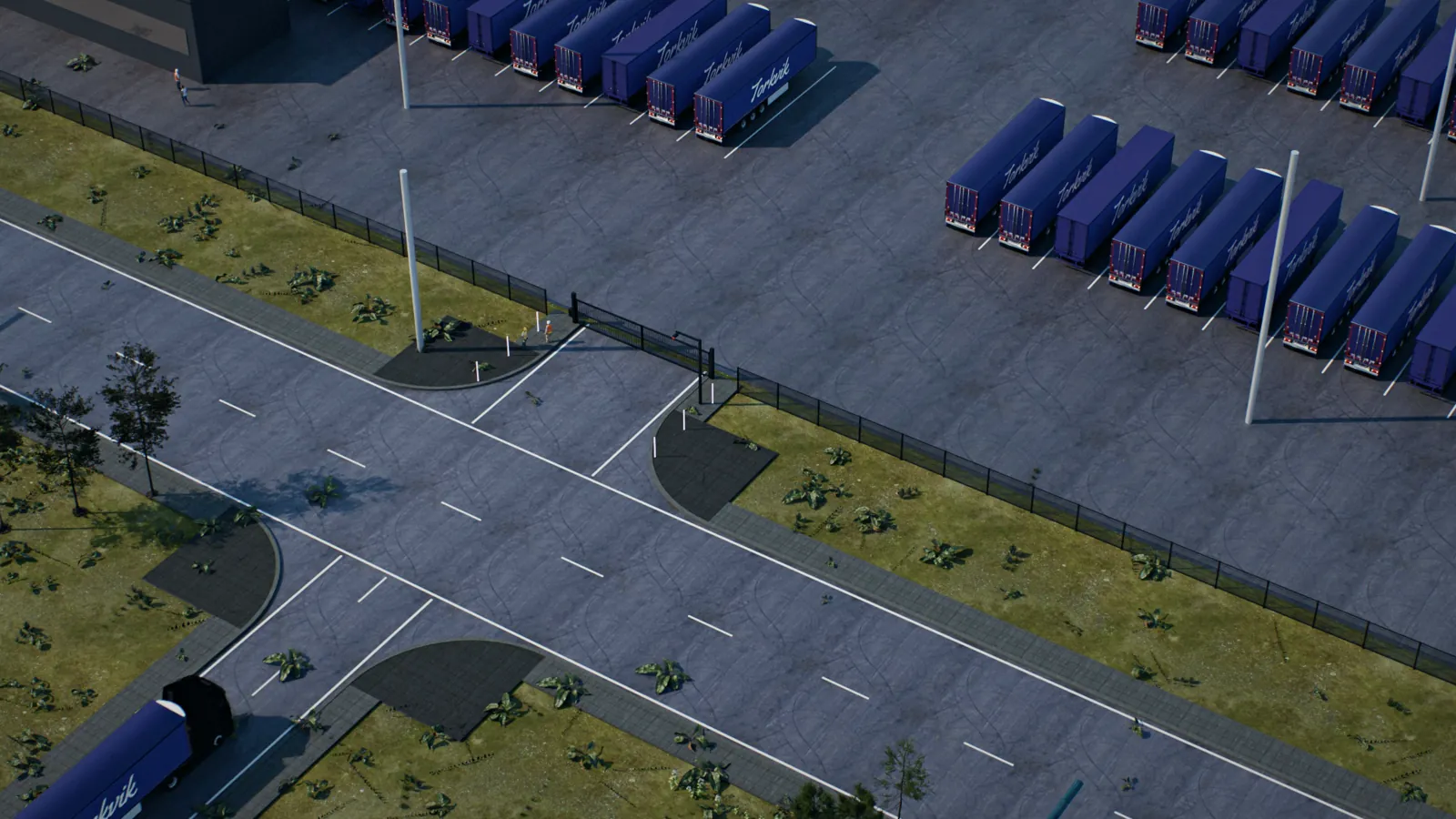
TORKVIK reads every plate at the gate, sends each truck to the right door and brings people only the exceptions. Built and tested on open data and simulated yard days.
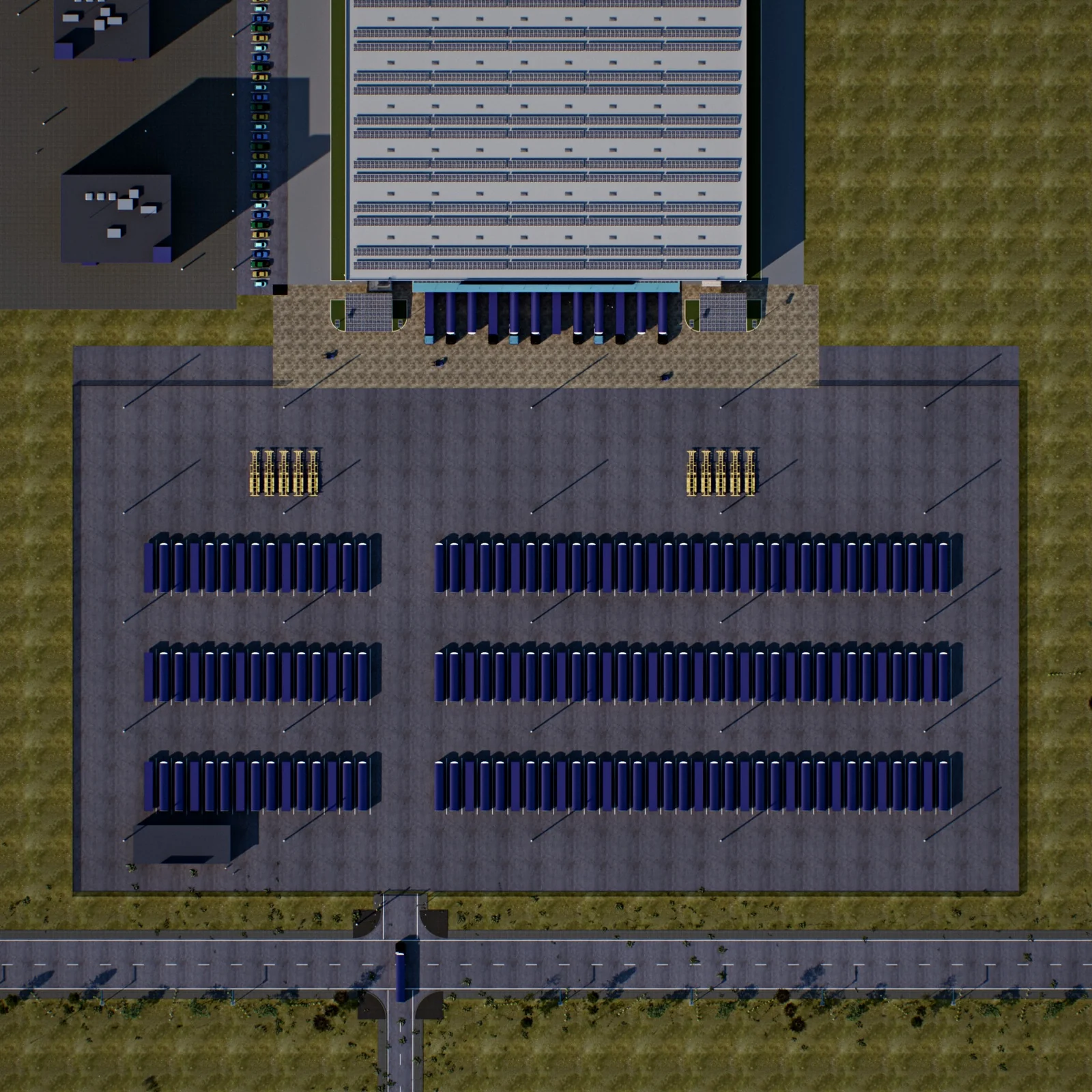
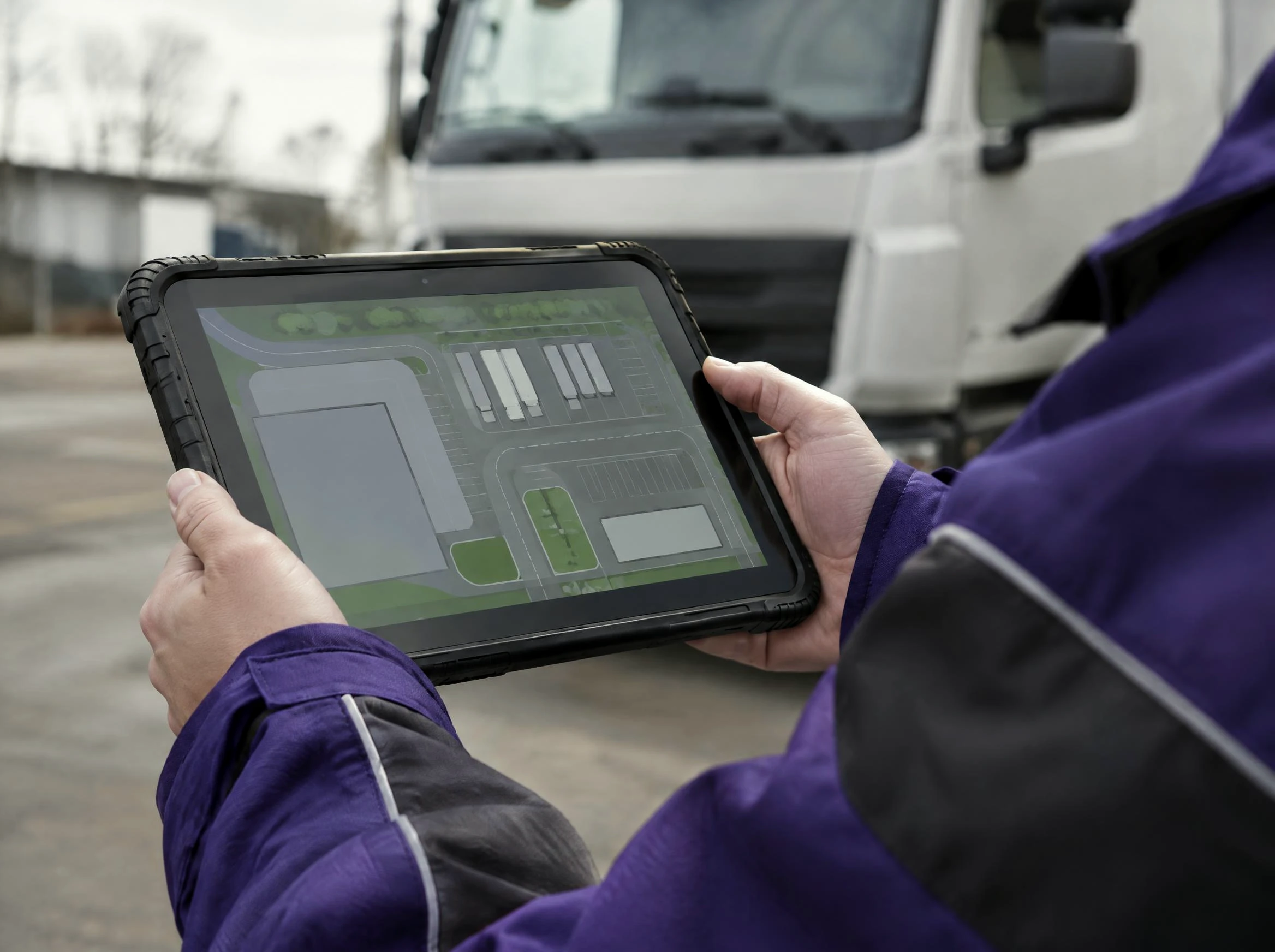
TORKVIK turns the cameras a yard already has into one live model of every truck, trailer and door. It reads each plate at the gate, sends every truck to the right door and asks people only about what does not fit the plan: gate, yard, docks and control, with port, rail and air next.
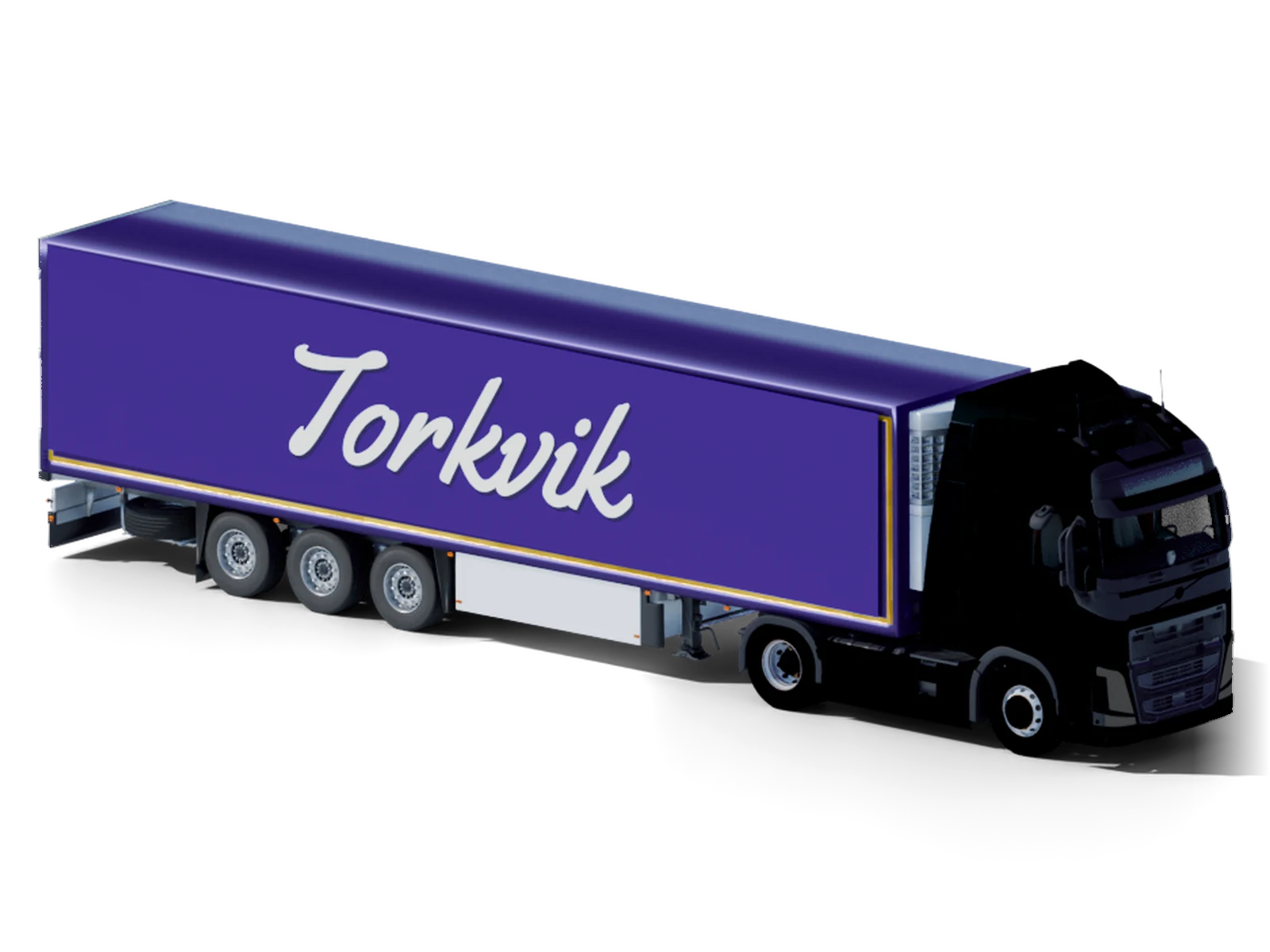 Gate check-inLearn more
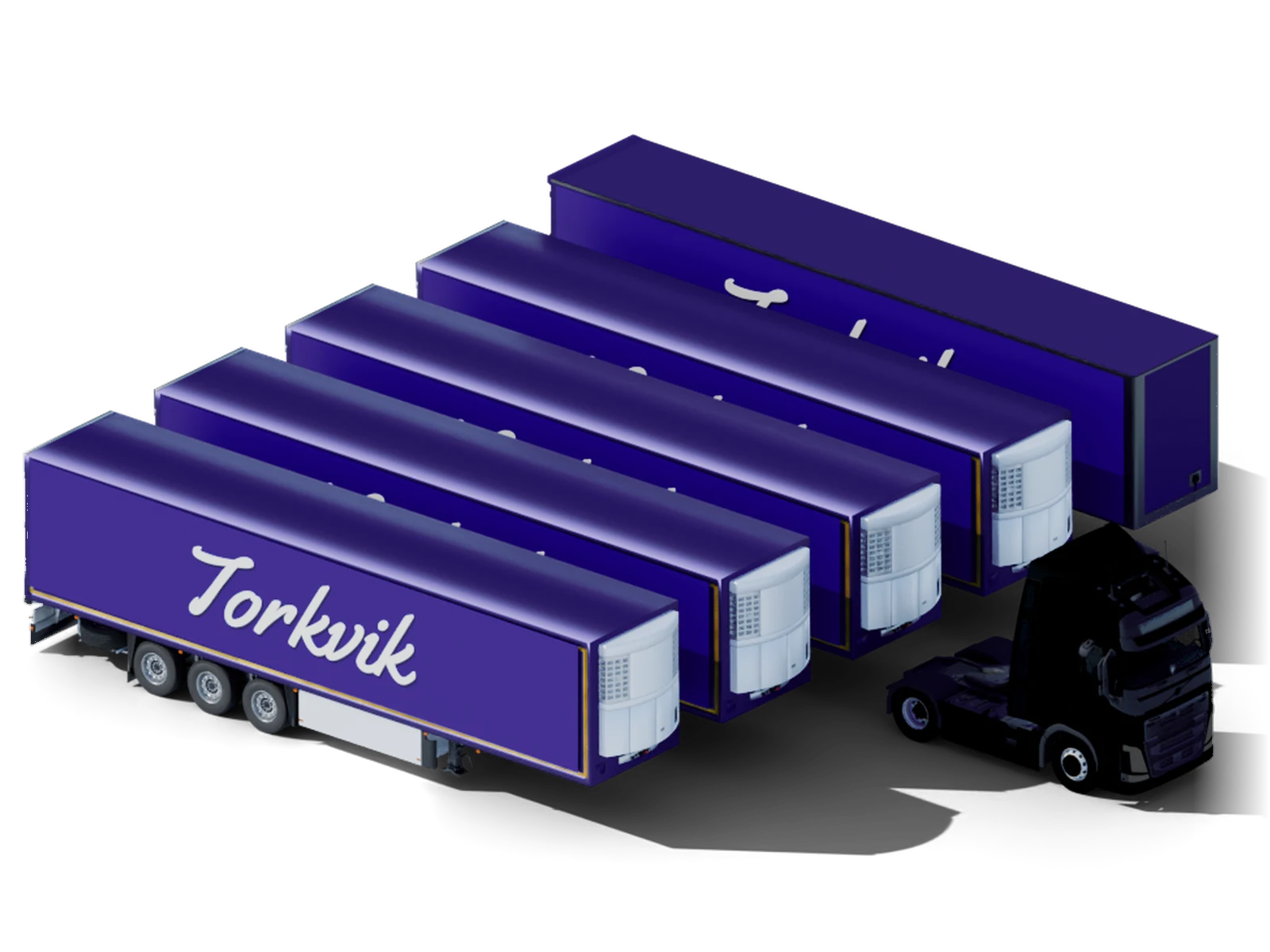 Yard and slotsLearn more
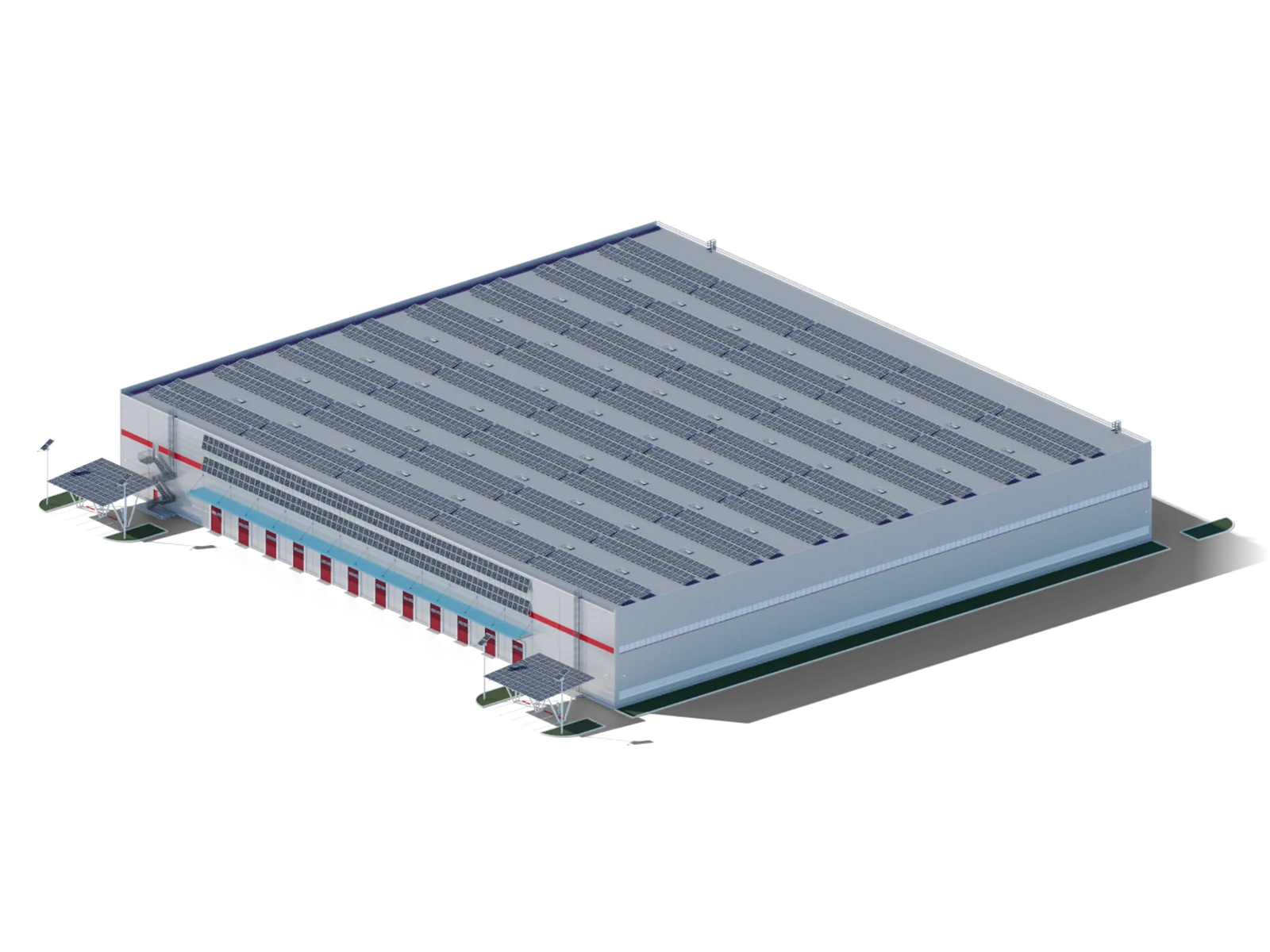 DocksLearn more
 Agents and GuardianLearn more
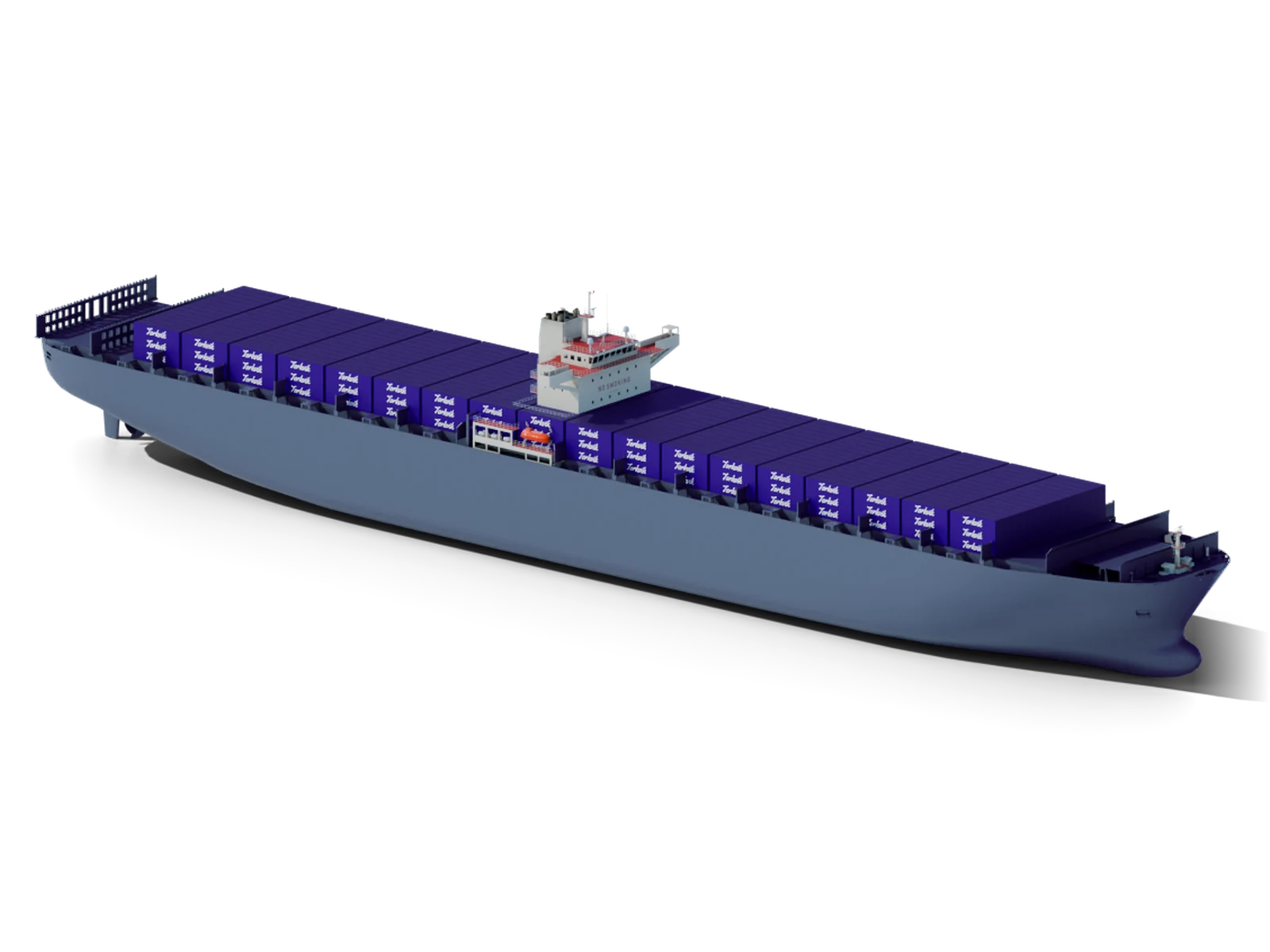 NextPortLearn more
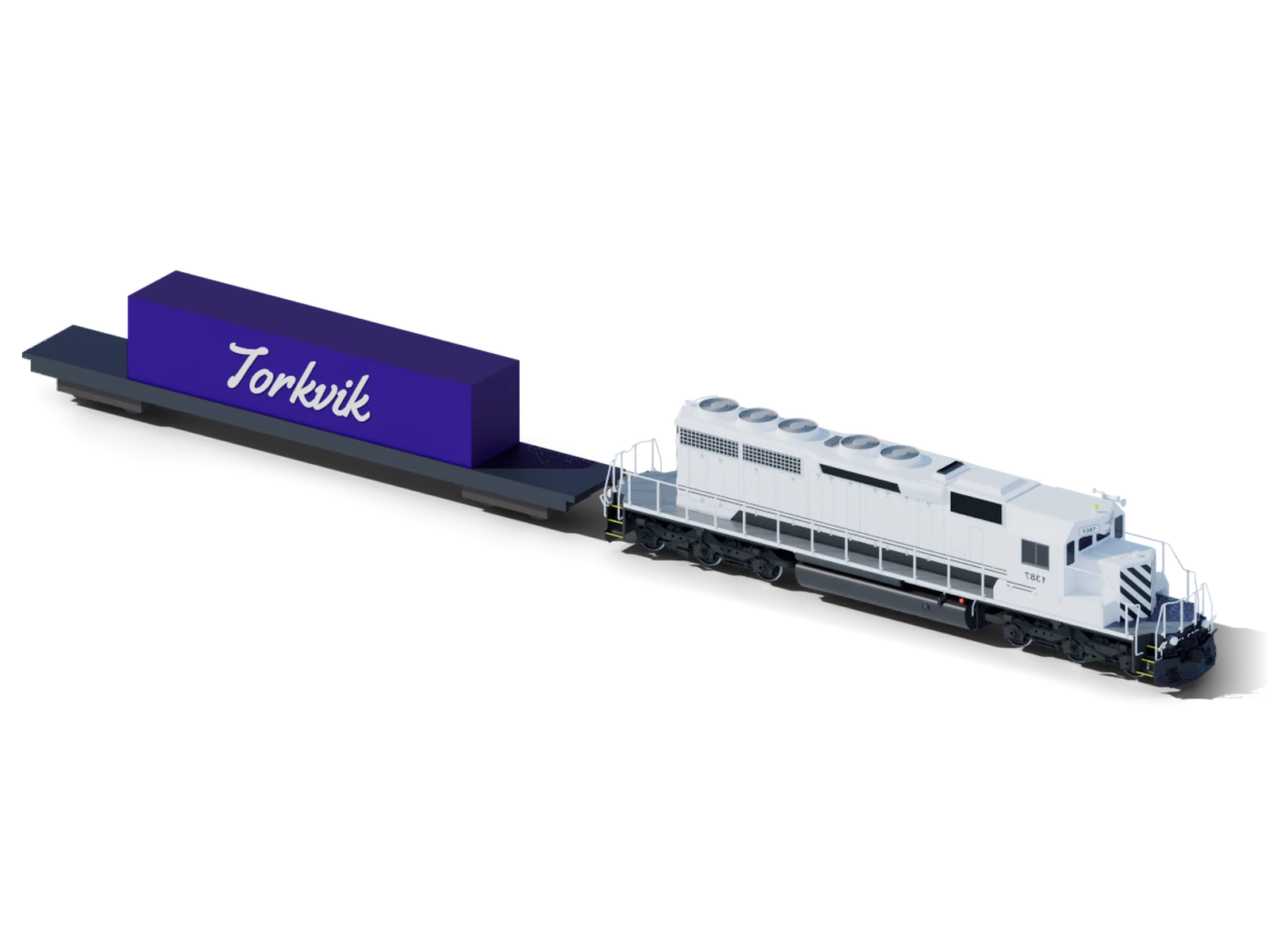 NextRailLearn more
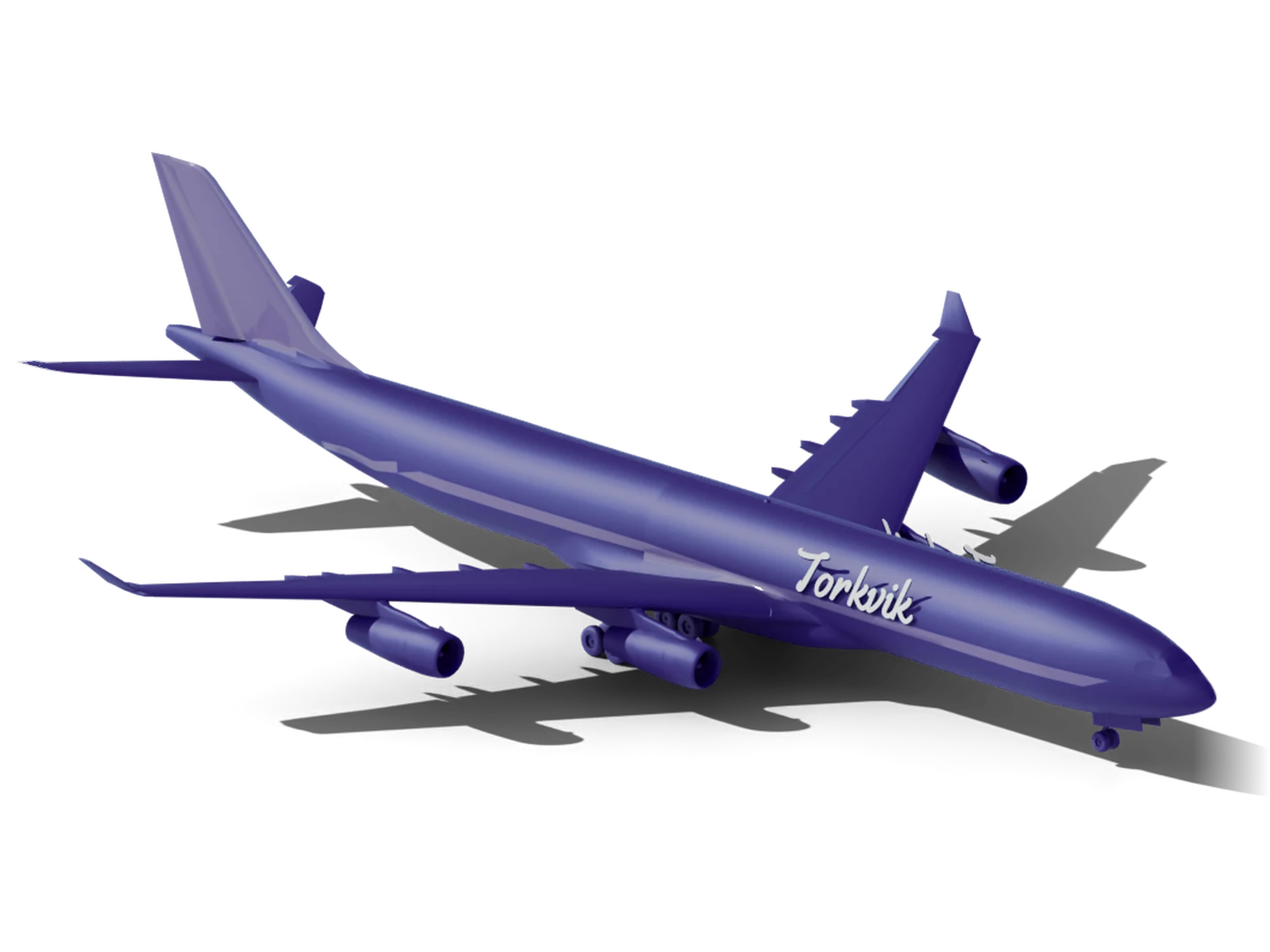 NextAir cargoLearn more
 NextCustoms and X-rayLearn more
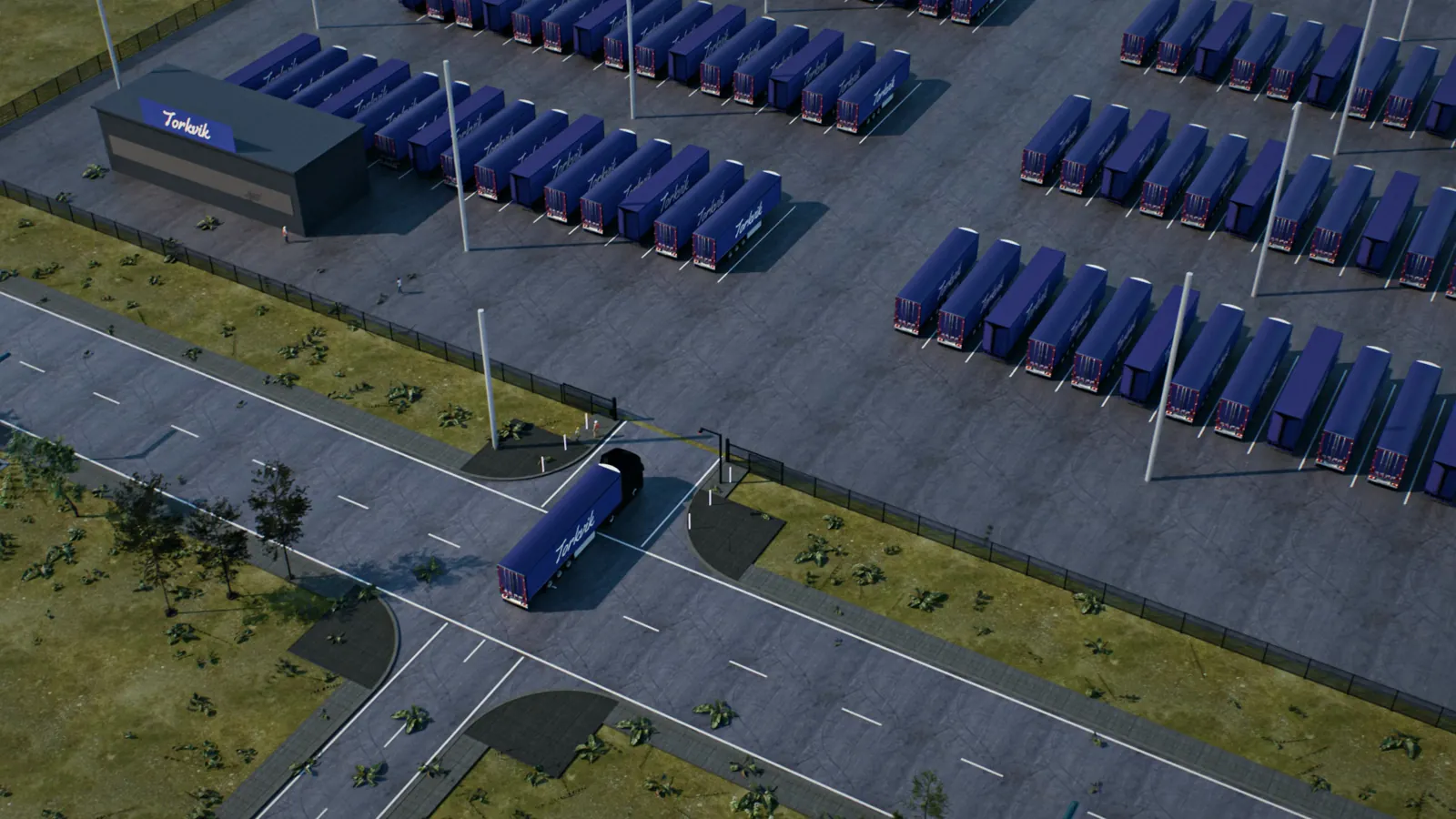
TORKVIK follows each truck from the approach road to the dock door with one ID. The gate cameras read its plate twice and check it against the day's booking; the yard model knows the queue, the slots and which doors are free from the dock cameras; clean visits get a door by the site's own capacity rules.
What does not fit, a late truck, a wrong plate, a blocked door, becomes a proposal for a supervisor. Nothing moves without a yes, and every decision is written to one log the site can audit.
See every moduleGate, yard and dock cameras a site already runs. A pilot starts with a camera survey, not a hardware order.
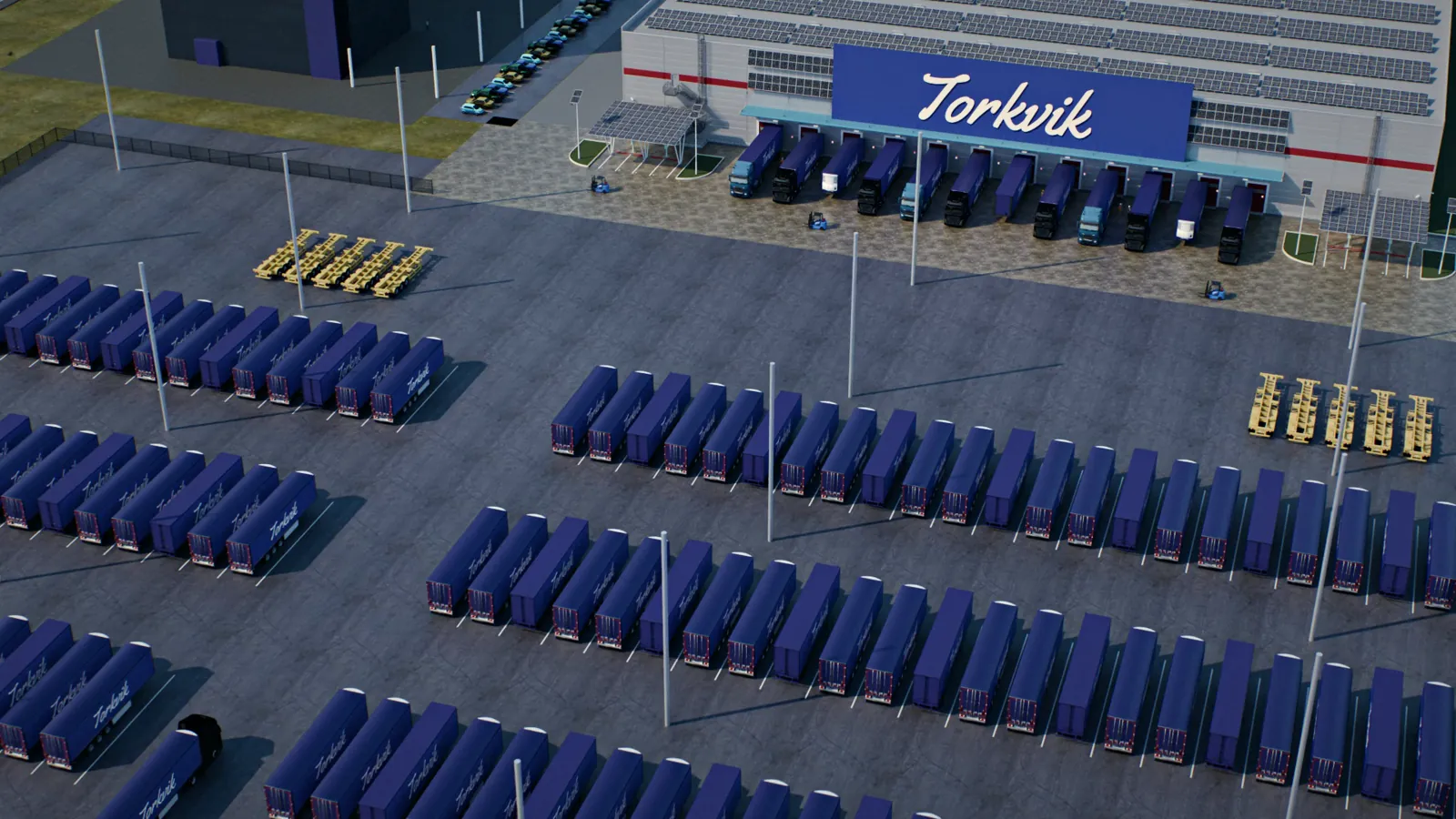
The truck read at the barrier is the truck at door 07; the yard model never loses it between cameras.
Proposals, not actions. The voice agent acts only on a spoken yes; every decision is logged.
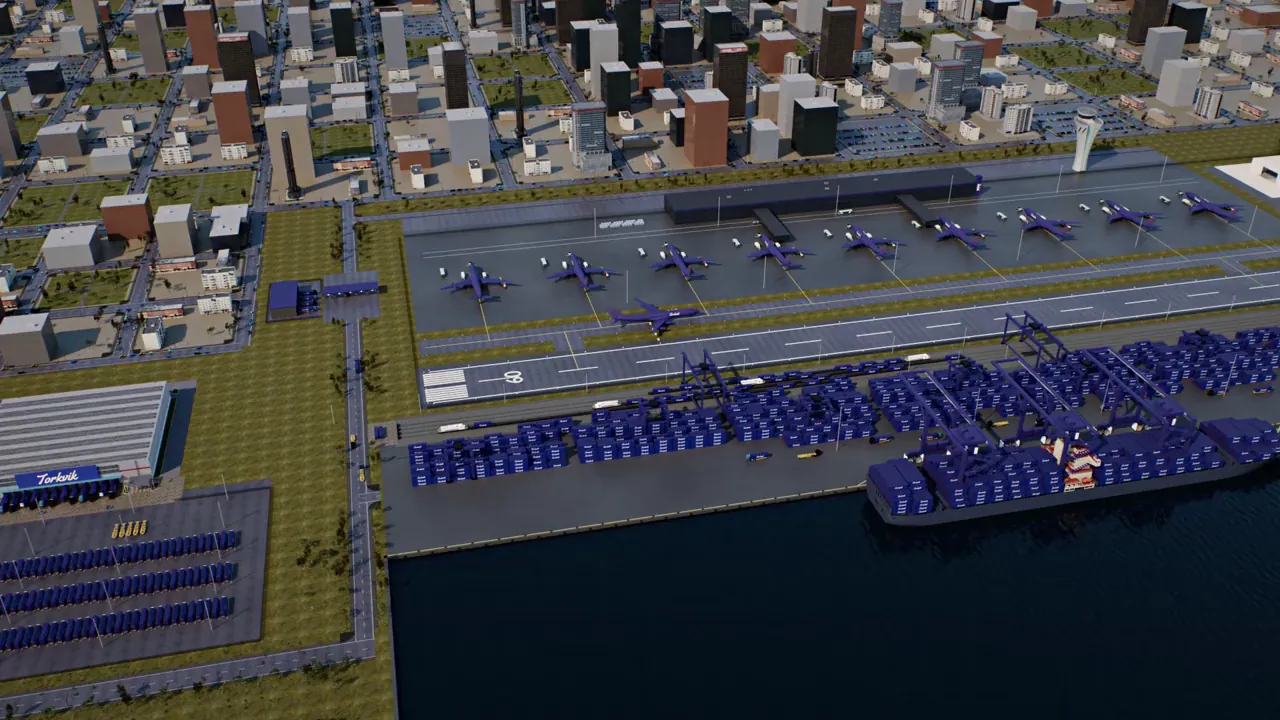
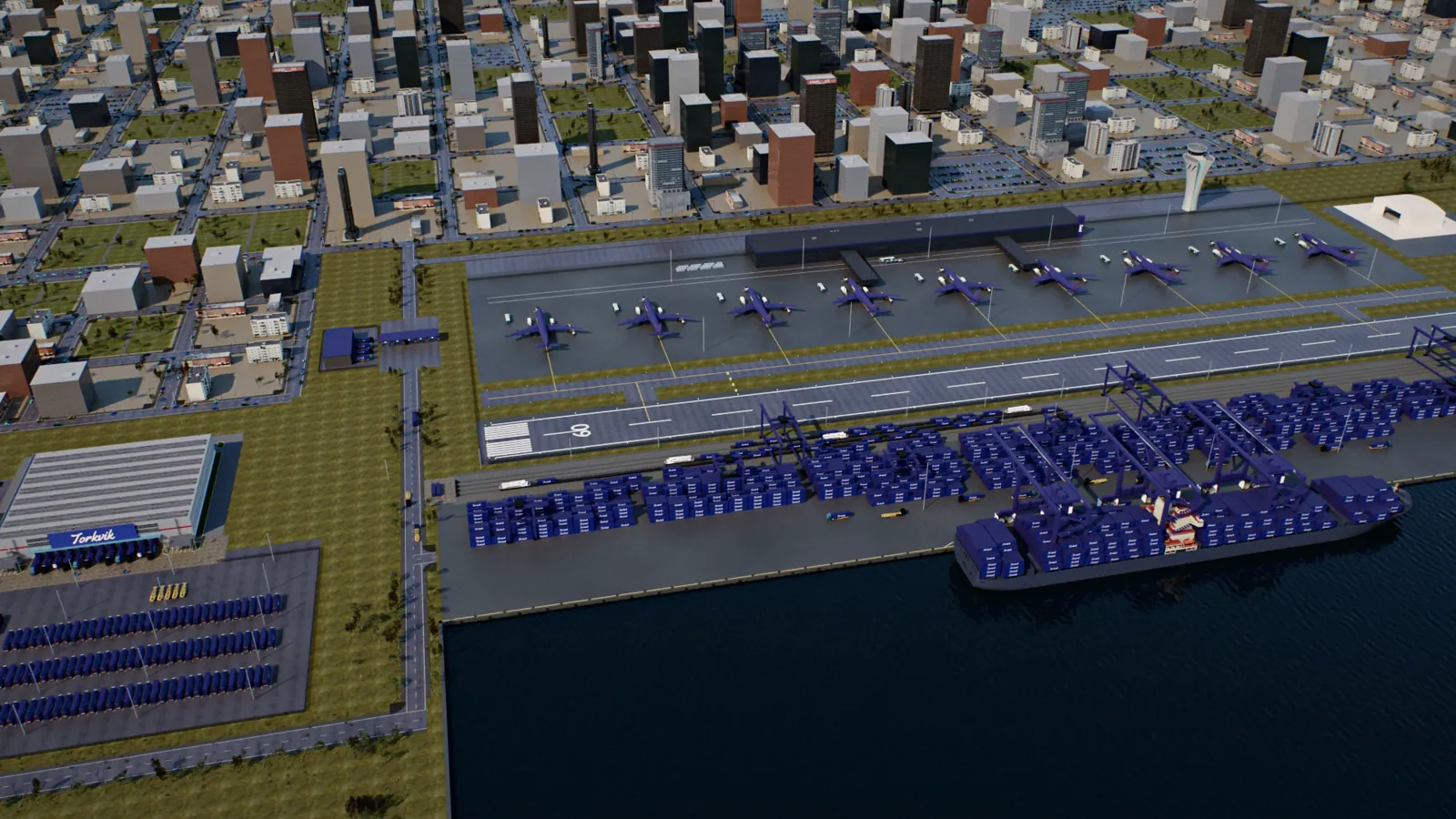
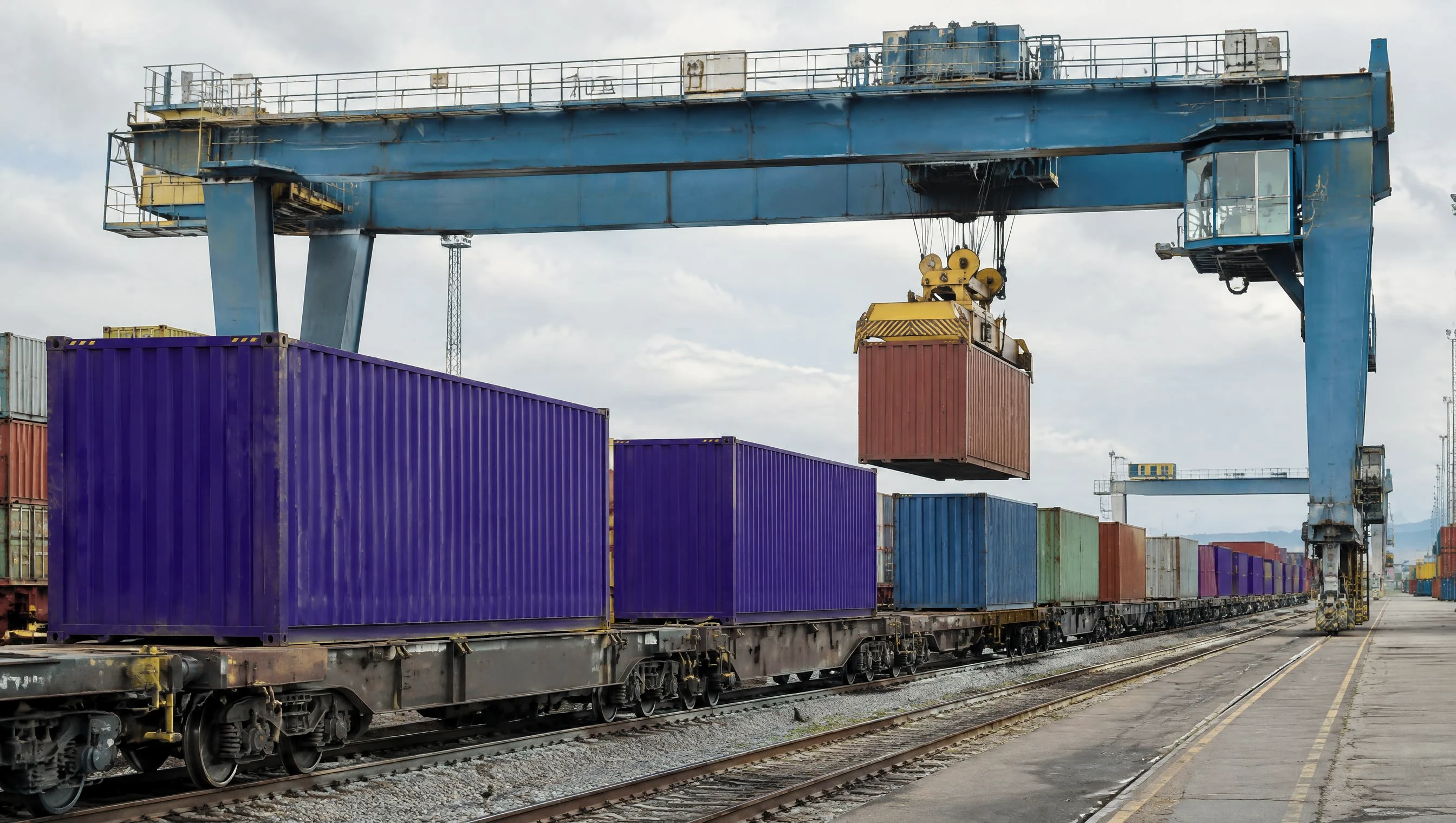
The quay, the rail terminal and the air cargo apron are yards too: container trucks at the terminal gate, wagons on the tracks, cargo containers at the aircraft doors. These modules are in design and are marked Next wherever they appear; they are built after the first warehouse-yard pilot.
Port, rail and airTrucks under the cranes and in the stack lanes, read and routed like trucks at a dock door.
Wagons and boxes on the tracks matched to the bookings that will collect them.
Cargo containers at the aircraft doors tracked from the landside dock to the stand.
TORKVIK is computer vision and agents for the yard: from the gate to the right loading dock. It is built and tested on open datasets, simulated yard days and load tests, and every number on this site says which.
It has not yet run at a customer site. The first pilot is what we are looking for: a camera survey, read access to the day's bookings and the dock rules. Video stays on site; faces and other plates are blurred before anything is stored.
Calculator
Estimated by category, from your numbers:
A pilot measures your yard on your own cameras, before and after. That is the figure worth trusting.
An estimate from your inputs, not a measured result: Torkvik has no customer sites yet. Dispatch and detention use the wait cut seen in simulation (mean wait 56.2 to 19.4 minutes over 200 simulated yard days, rules-based dock order vs first come first served). Every other figure is time × wage × volume from the assumptions above.
Published 17.11.2026The engineering record: models, datasets, every measured number and its source.
Read the note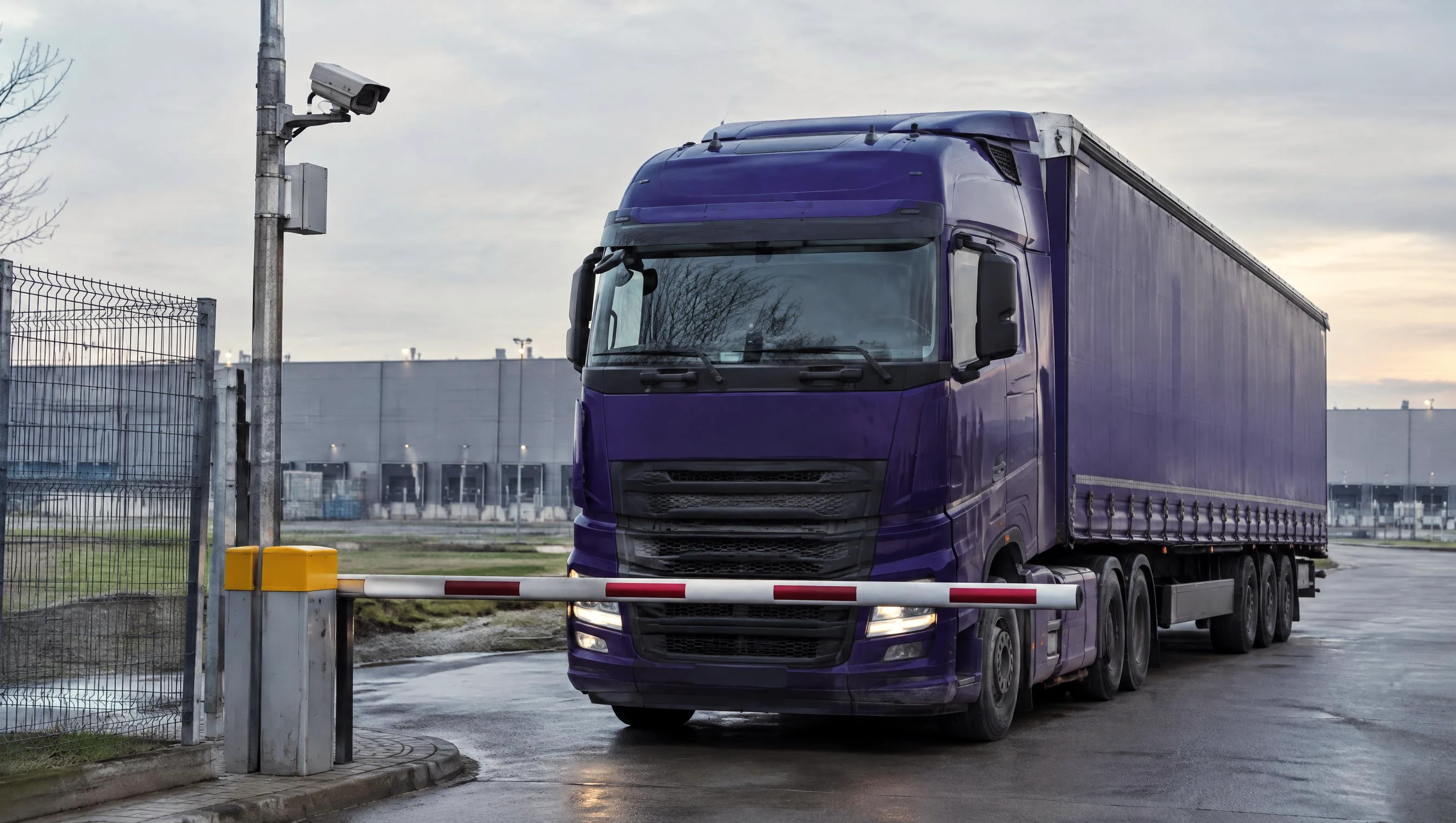 Product explainer
Two independent readers, an exact agreement, and a person for every mismatch.
Read the note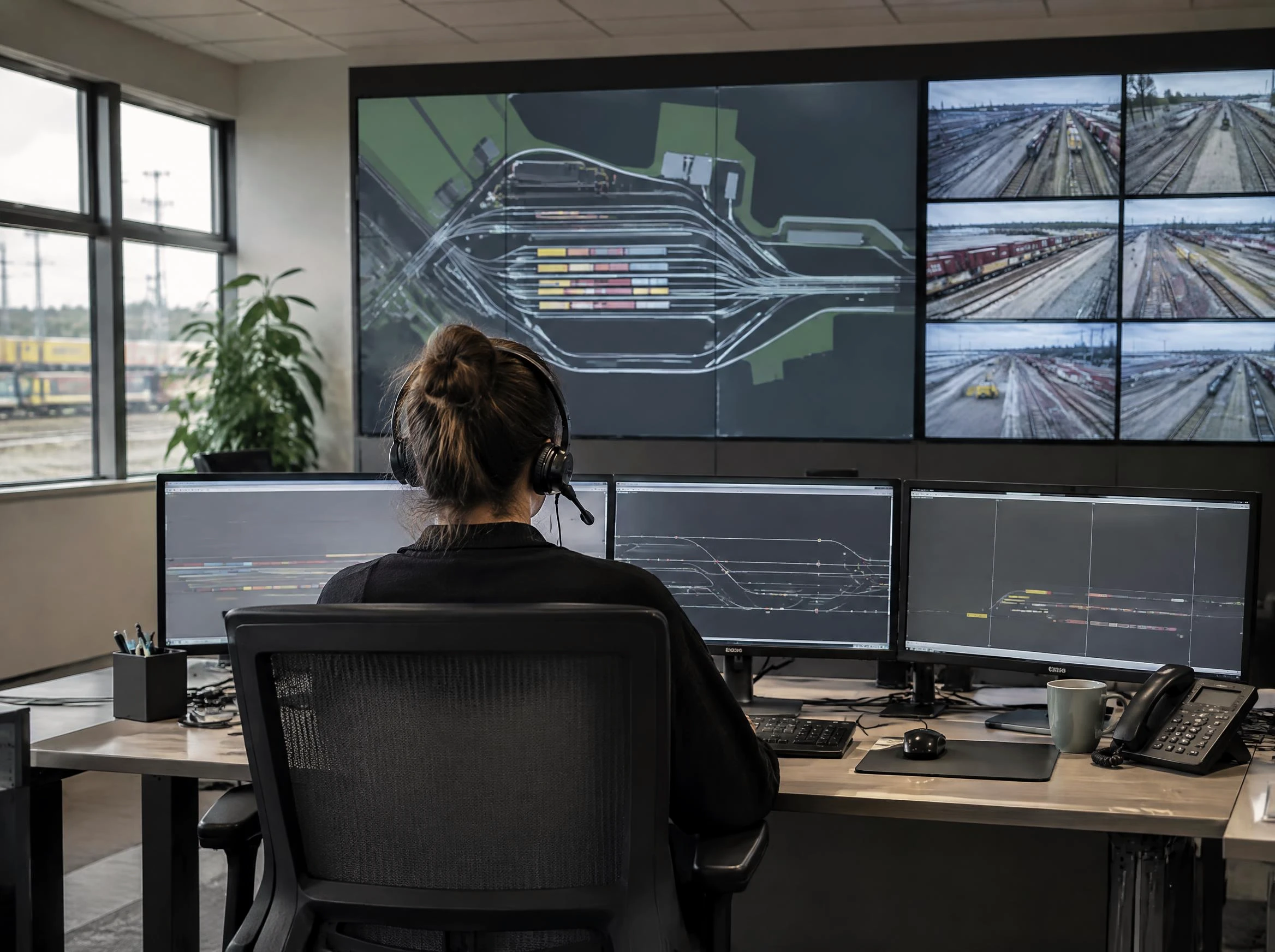 Product explainer
Clean visits follow the site's rules; the rest become proposals a supervisor approves.
Read the note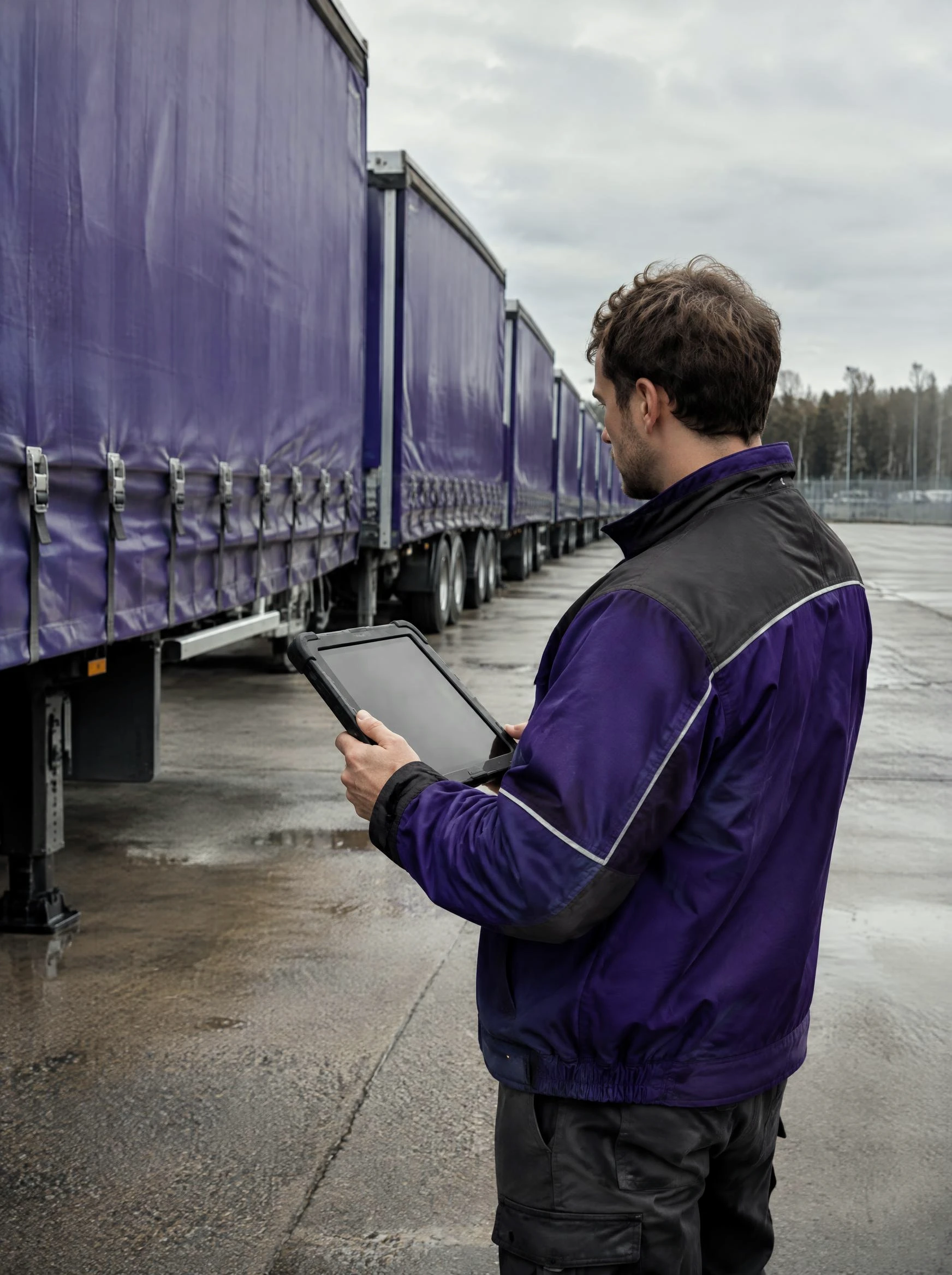 Pilot
A camera survey, read access to bookings and the dock rules. Video stays on site.
Read the note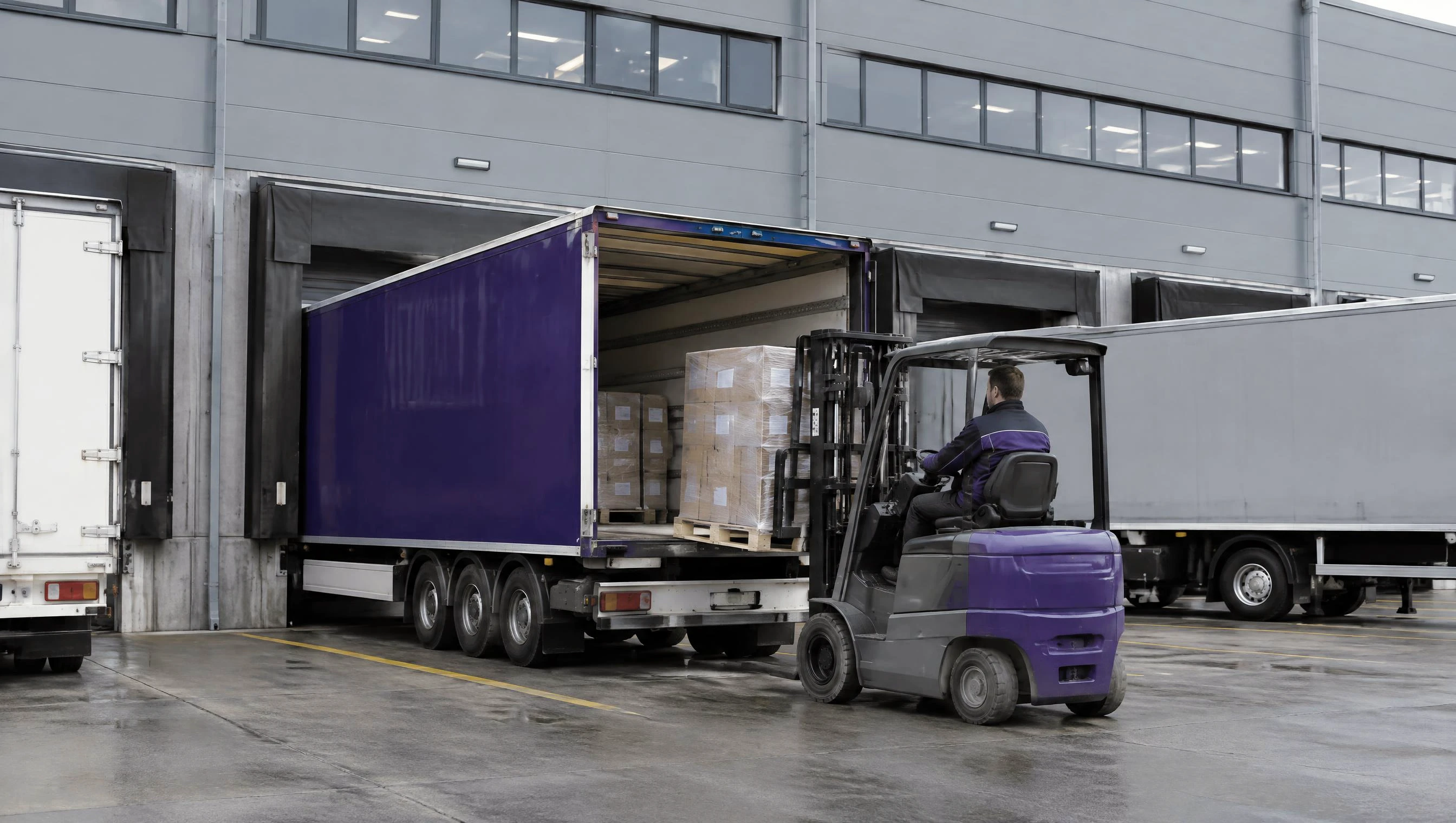 Product explainer
Door occupancy from the dock cameras at 99.2 % on open data.
Read the noteNo. TORKVIK uses the gate, yard and dock cameras a site already has. A pilot starts with a camera survey to confirm the views are usable.
No. Detection and reading run on an edge computer at the site. Faces and other plates are blurred before anything is stored.
Only as far as the site allows. Clean visits follow the site's own rules. At the default level every exception is a proposal a supervisor approves; a site can let Maya, the planner, apply listed fixes herself, at most six an hour, telling the supervisor each time. Tony acts only on a spoken yes.
No, and on purpose. On this website Tony only gives fixed answers from our published FAQ: no language model, so nothing typed here can steer him. In the dashboard he answers open questions about the yard in plain words, but the facts come from read-only queries, the model only phrases them, and every sentence is checked against those facts before it is shown or spoken. Off-topic requests and prompt injections are refused, and he acts only after reading the action back and hearing a yes. Maya is not a chatbot at all: she is the planner who briefs Tony, held to the same fact check.
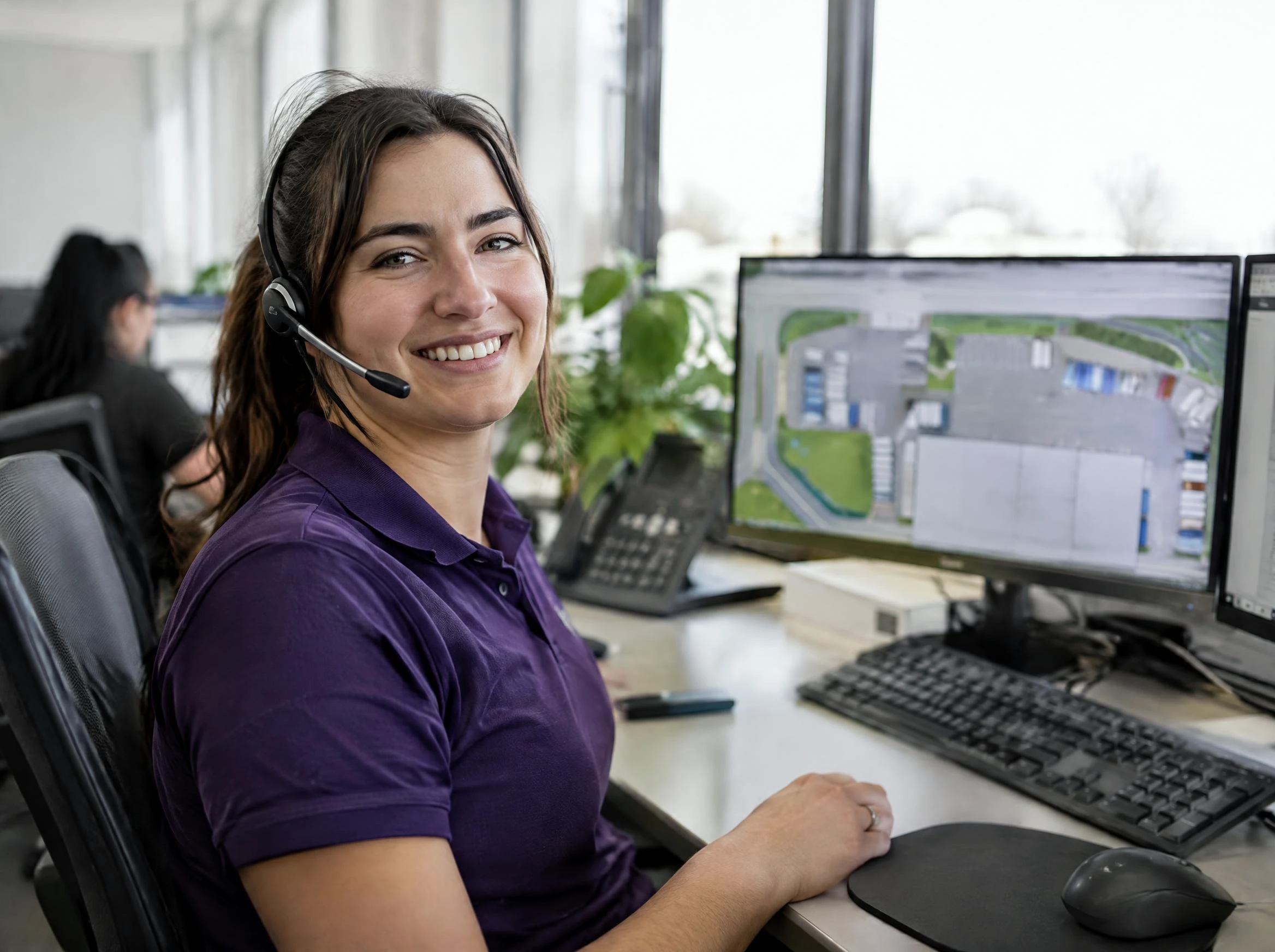
That is how it is built for a customer. A site survey gives the real layout: buildings, doors, lanes, gates and where each camera looks. The 3D twin is drawn from that layout, the dock states come from the dock cameras, and trucks are placed where the yard cameras last saw them. Today the twin you see in the demo is our own model of a fictional site; the next step is the same photoreal models as our film, rendered for each customer's views with the live data laid on top.
The Guardian, a separate watchdog, checks the system every 30 seconds. On a failure the yard goes to manual mode first, people are told, and the safe fix for that failure is applied. Automation comes back only after three healthy checks in a row.
Not yet. The numbers on this site come from open datasets, simulated yard days and load tests, and each one says which. The first pilot is what we are looking for.
Read access to the camera streams, the day's bookings or appointments, and the site's dock rules. Access is set up only through the operator's own authorised channels.