Docks: what it does
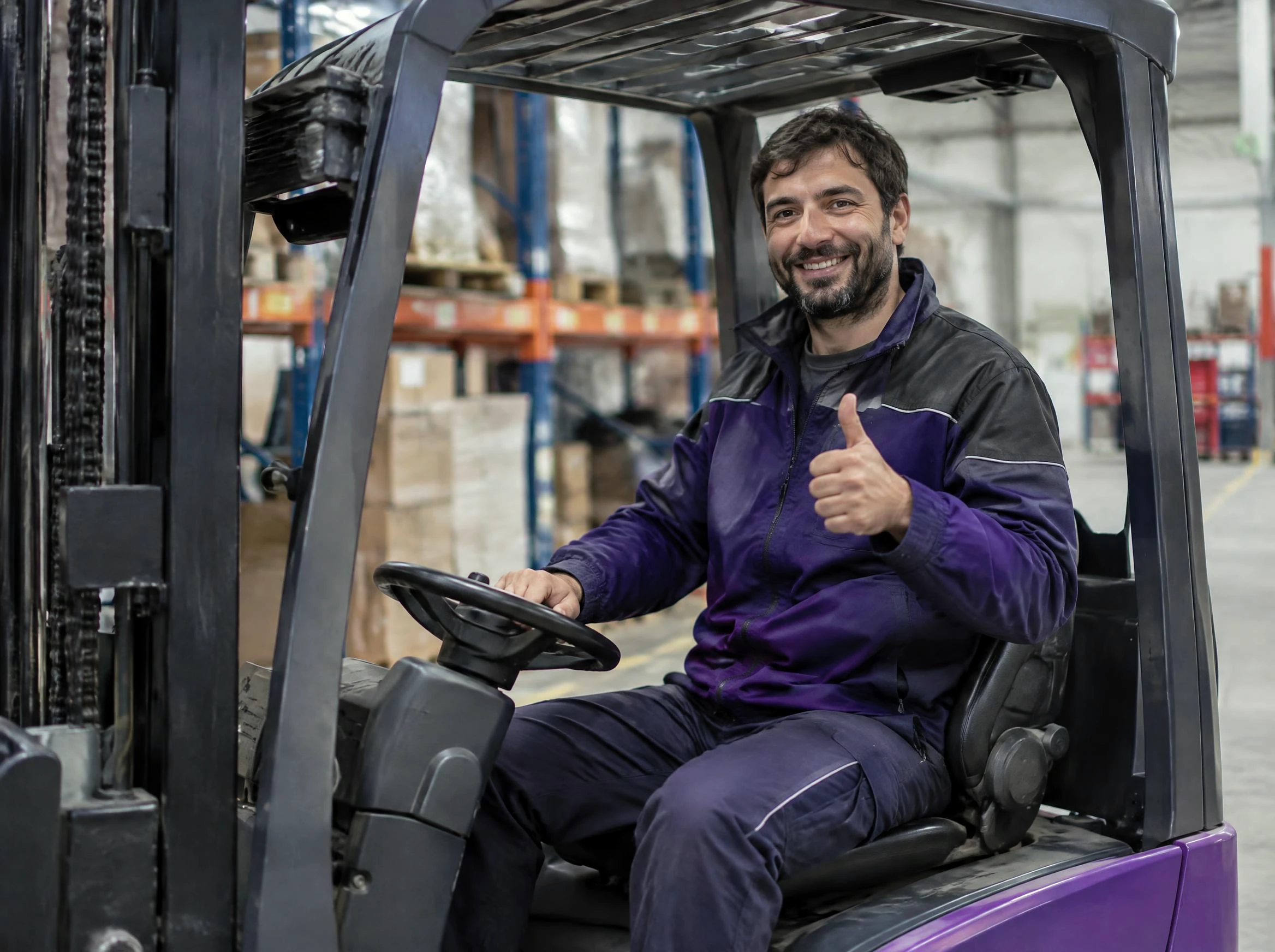
- Door occupancy from existing dock cameras
- Five-frame agreement before a door changes state
- Live dock utilisation and turnaround
- Runs on an edge CPU, no cloud upload of video
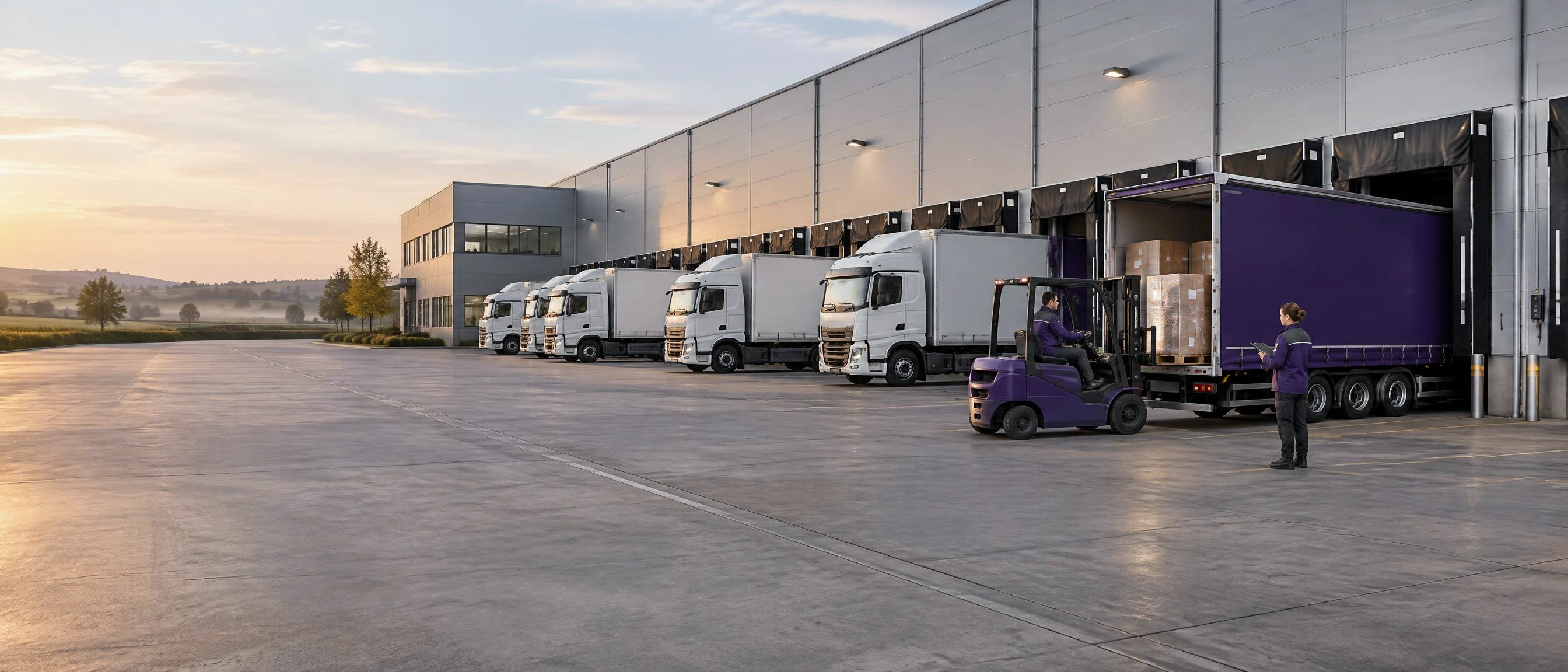
Each door is read from its camera and decided over five frames, so a passing shadow never moves a truck. Occupancy, utilisation and turnaround come from the same reads.
One camera per dock, decided over five frames
The bays are mapped from each camera with a few minutes of help from the site team.
No sensors in the floor, no tags on trailers.
On open data the occupancy model reads 99.2% of frames right on an edge CPU at 79 ms a frame (INT8), and 96.4% / 99.3% on cameras it never saw.
A door changes state only when five frames agree, so a passing shadow never moves a truck; with 15% spoiled frames the errors fell from 10 to 5.
At a new site after onboarding it reached 84% on 19 real frames with no false alarms: under the 90% target, and a labelled pilot site is what closes the gap.
The numbers a dock manager asks for
Occupancy over time becomes dock utilisation, waiting time and turnaround per door, written to the same log as every decision.
A classifier reads each door's region in the dock camera.
Five frames must agree before the door's state changes.
Occupancy feeds utilisation, waiting time and turnaround.
Every figure names where it comes from: open datasets, simulated yard days, load tests or the design itself.